Logitech Data Breach: What We Know So Far About the Zero-Day Attack
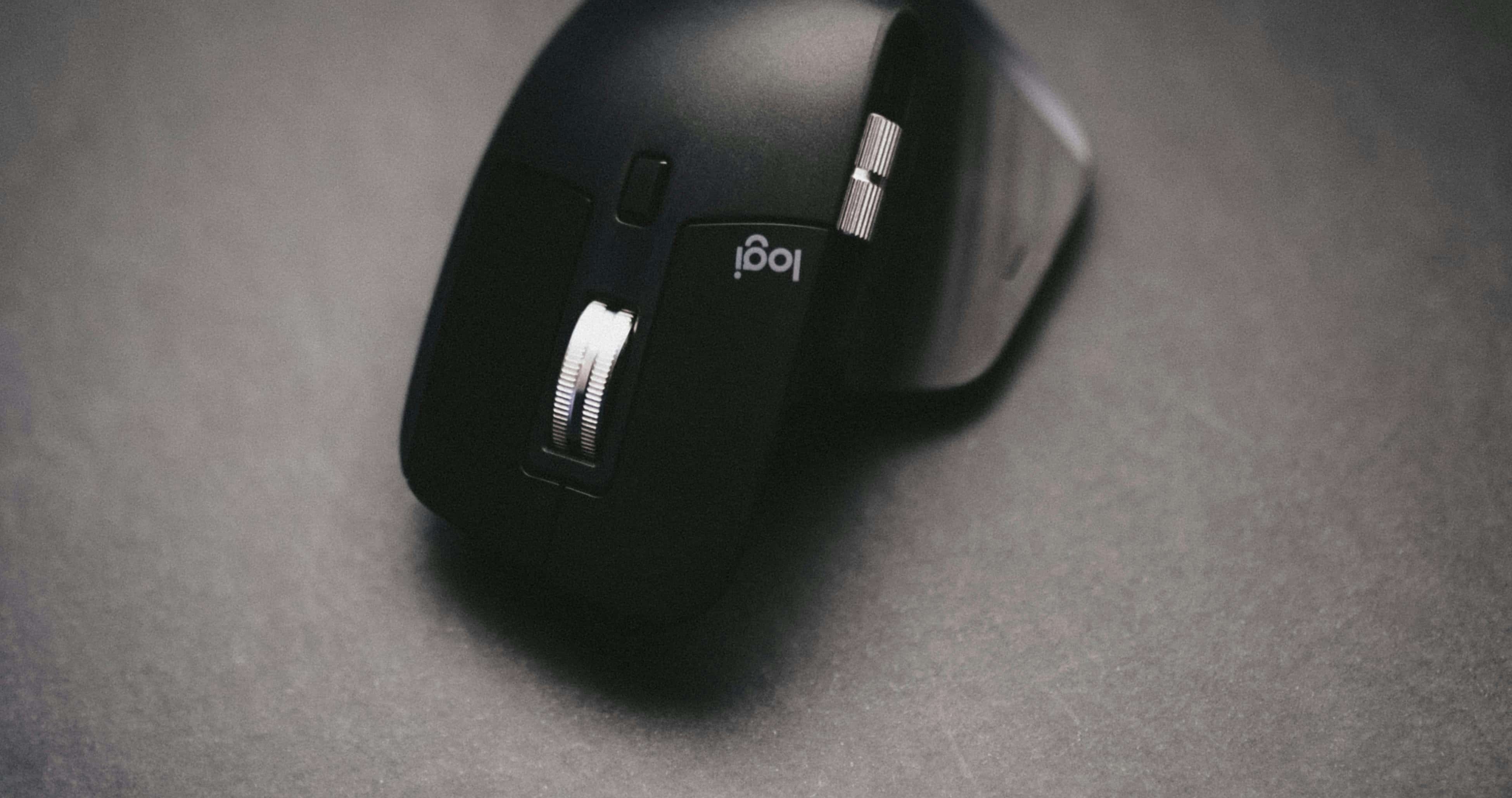
Logitech, one of the world’s most recognisable consumer-tech brands, has confirmed that it suffered a data breach linked to a zero-day vulnerability exploited through a third-party software platform. The company disclosed the incident in a regulatory filing on November 14, 2025, describing it as a “cybersecurity event” that led to the unauthorised copying of data from internal systems.
While the company insists this breach does not appear to impact product manufacturing, business operations or its financial outlook, the incident has raised important questions about supply-chain security, the growing threat of zero-day exploits, and the exposure of employee and customer data.
What Data Was Accessed?
Logitech says that, based on its current investigation, the compromised environment “likely contained limited information related to certain employees, consumers, customers, and suppliers.” The company emphasised in its official disclosure that highly sensitive data — such as national ID numbers and payment card information — was not believed to be present in the affected systems.
However, this phrasing has left room for concern. When companies say they “do not believe” certain data was involved, it typically means the investigation is still ongoing and visibility into the compromised servers may be incomplete. Security researchers monitoring the situation say the full scope of data accessed may become clearer in the coming weeks, as forensic teams continue their analysis.
A Familiar Pattern: Third-Party Risk and Zero-Day Exposure
What makes this breach stand out is the method of compromise. Attackers exploited a zero-day flaw in a third-party platform, giving them initial access. Zero-day vulnerabilities — security flaws unknown to the vendor at the time of exploitation — leave organisations with no immediate patch or defence, making them particularly dangerous.
This incident fits a pattern that cybersecurity analysts have been warning about for years: the increasingly fragile nature of vendor ecosystems, where one vulnerable software partner can expose dozens or even hundreds of global companies.
Logitech’s case adds weight to this concern. The company is not known for vulnerabilities in its own consumer hardware, yet it still fell victim because an external component in its supply chain created a point of entry. This is becoming one of the most persistent cybersecurity challenges in modern enterprise environments: organisations can secure their own infrastructure thoroughly, yet still be compromised through the software of someone else.
The Clop Connection
Earlier reports show that around 30 companies were listed on the leak site of the Clop ransomware group, including Logitech. Clop has been responsible for several large-scale supply-chain attacks over the past few years, often targeting enterprise software platforms and then extorting victims by threatening to leak stolen data.
At this stage, Logitech has not confirmed whether the attackers demanded a ransom or whether negotiations took place. What is certain, however, is that data was accessed and removed — and Clop’s activity elsewhere makes it likely that the group may attempt to publish or monetise the stolen information.
Logitech’s Response
In its regulatory disclosure, Logitech says it acted quickly to isolate the affected systems and enlisted external cybersecurity experts to investigate. The company added that its cyber insurance policy is expected to cover expenses related to incident response and legal exposure.
Logitech also stressed that its operations and supply chain remain intact. That reassurance seems aimed at investors more than consumers, as the incident has not resulted in product outages or shipment delays. For now, the company maintains that the breach will have no material impact on its financial condition — though historically, similar global incidents have sometimes carried long-tail costs in the form of regulatory penalties, legal claims, or reputational damage.
What It Means for Consumers and Businesses
For everyday users of Logitech hardware, there is no indication that device security, firmware or user accounts outside the affected internal system have been compromised. Still, security experts recommend standard precautions: updating passwords, enabling multi-factor authentication where available, and watching out for phishing emails referencing Logitech services.
For businesses, the message is more sobering. The breach reinforces how third-party software risk can quickly escalate into a full-scale cybersecurity incident — even at technology companies with strong internal defences. It also highlights how attackers continue to favour zero-day exploits, because they often deliver silent entry into environments previously considered low-risk.
Why This Breach Matters
The Logitech data breach serves as another reminder that no global brand is immune to the cascading effects of vulnerabilities in external systems. Even when the stolen data appears limited, the reputational and operational risks ripple outward — especially when a sophisticated extortion group is involved.
As investigations continue, organisations across all sectors are once again being urged to review their software supply-chain security, monitor vendor patch cycles more aggressively, and implement stronger segmentation between internal and vendor-connected environments.
For now, Logitech has promised ongoing transparency, but the industry will be watching closely. Supply-chain attacks are becoming more frequent, more damaging, and harder to predict — and this latest incident shows that even the most established tech companies remain firmly in the crosshairs.
References
WebProNews – Logitech’s Zero-Day Breach: How a Hidden Flaw Exposed Tech Giant’s Data
Logitech IR – Official Cybersecurity Disclosure, Form 8-K
Forbes – Logitech Data Breach — What We Know as 0-Day Hack Attack Confirmed